The Great Chlorine Schism of 1968
How a 19-hour argument about water temperature split one sport into two.
By the mid-1960s, the World Championship was held every two years in whatever water the host could provide: Alpine lakes, seaside lidos and municipal open-air basins. Water temperatures at finals between 1951 and 1967 ranged from 19.8 °C to 25.9 °C. Athletes from colder nations argued that cold water favoured short, aggressive chukkas; athletes from warmer nations said it rewarded people who could not stop shivering.
The 1968 Congress opened in Mexico City on 4 February with one item on the agenda: whether the sport should move indoors permanently. The debate lasted 19 hours and 12 minutes, a FIMP record that still stands. The Austrian delegation spoke for four hours on chlorine concentration alone. A motion to adjourn for dinner was defeated 41 votes to 39.
At 4:07 a.m., delegates passed the compromise now known as the Schism: two separate World Championships, Indoor and Outdoor, each with its own champion, its own records and its own technical rules. Bertrand Pélissou of France, the last champion of the unified era, won the first Indoor title in Amsterdam five weeks later. Marisol Etxeberria of Spain won the first Outdoor title in Acapulco that August.
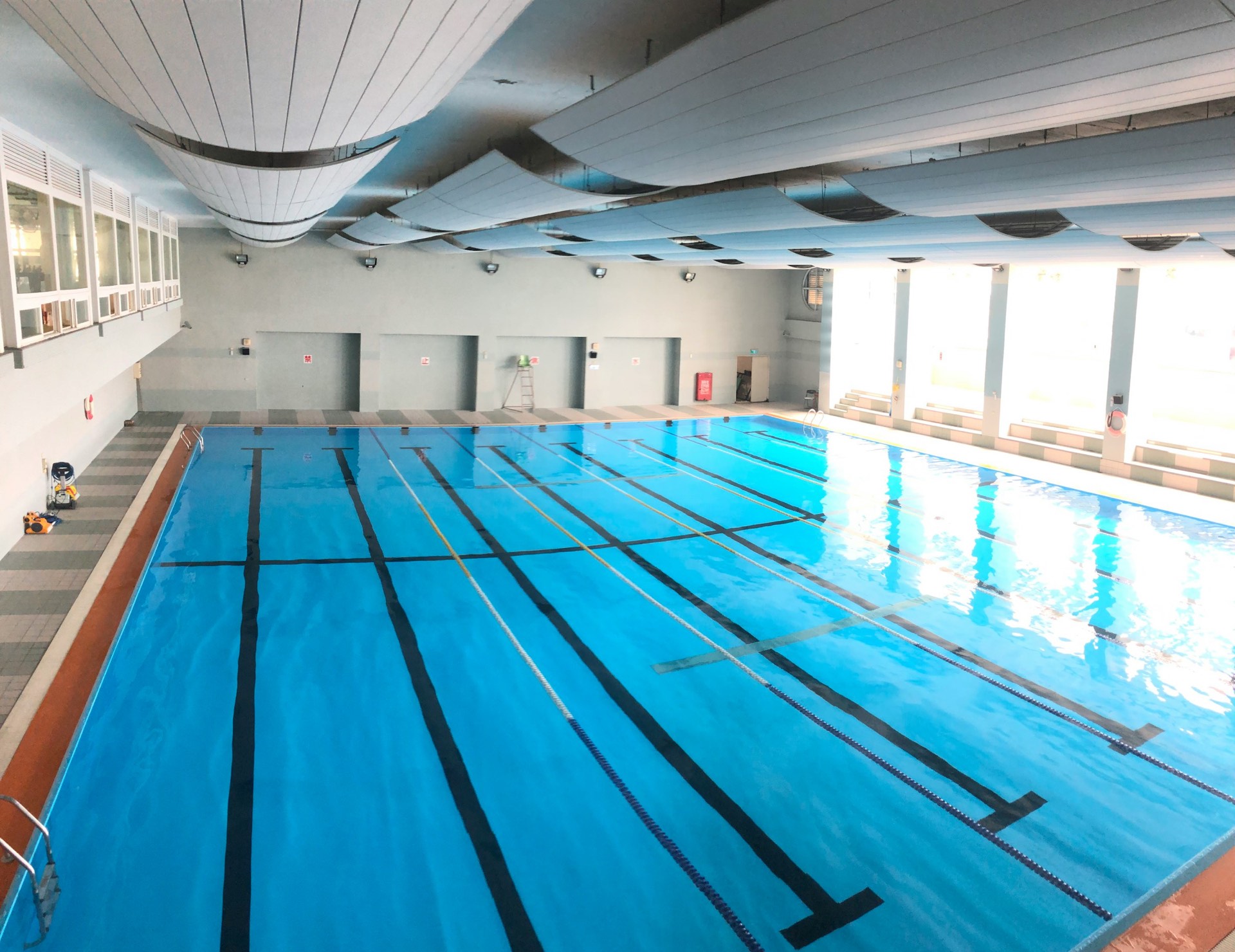
The two disciplines have grown apart since. Indoor Marco Polo is played in a 25-metre basin at a fixed 27.4 °C and rewards acoustic precision. Outdoor Marco Polo is played in a 50-metre basin, in wind of up to 18 km/h and with ambient noise from gulls, waves and spectators, and rewards endurance and evasion. Since the split, only one athlete has won both titles: Lars-Erik Hovland of Norway, Indoor champion in 1987 and Outdoor champion in 1989.